
Why I Love Bouldering (and Coaching)
Bouldering is a form of climbing without ropes — inside and outside. Google it. It’s great. I’m obsessed.
There’s this moment when you’ve coasted up the wall and suddenly you are stuck. The next hold is just out of reach. Your forearms are burning, one foot feels suspiciously unstable and the route that looked simple from the ground now feels impossible halfway up.
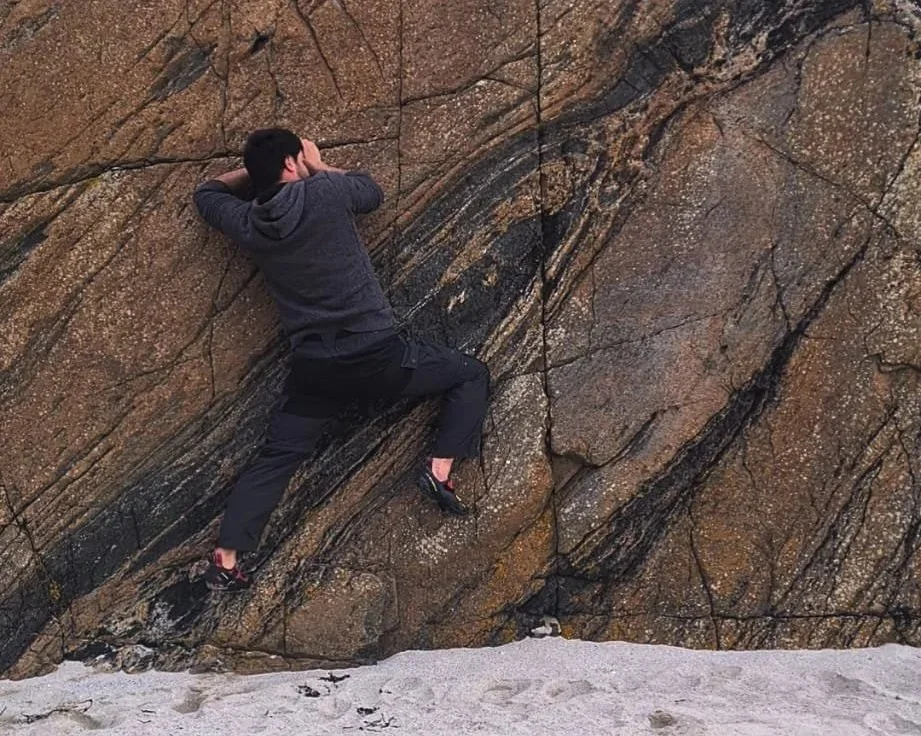
You pause.
You look around for options.
You test different positions.
You consider giving up and dropping down.
You wonder whether you were even strong enough for this route in the first place.
And honestly, coaching conversations can feel remarkably similar.
Not because coaching is about “pushing harder” all the time. In fact, some of the most important moments in coaching happen in the pause itself. The moment someone realises the thing keeping them stuck is not necessarily capability, but perspective.
Sometimes people come to coaching feeling exactly like that climber halfway up the wall. They’ve done everything “right” up until now. Built the career. Taken the promotions. Kept performing. Kept moving.
And then suddenly the next step feels out of reach.
The interesting thing about bouldering is that brute force rarely works for long. The harder you panic and yank yourself upwards, the quicker you burn out. Usually the breakthrough comes from slowing down enough to reassess. Shifting your footing slightly. Trusting balance over force. Seeing a route you missed the first time.
Coaching often works the same way.
It creates space to stop clinging desperately to the wall for a second and actually think.
What am I missing here?
What assumptions am I making?
Am I trying to solve this the only way I know how?
Is there another route available to me?
And just like bouldering, growth often looks far less graceful than people expect.
You slip.
You misjudge.
You fall off entirely.
Then you try again with slightly better information.
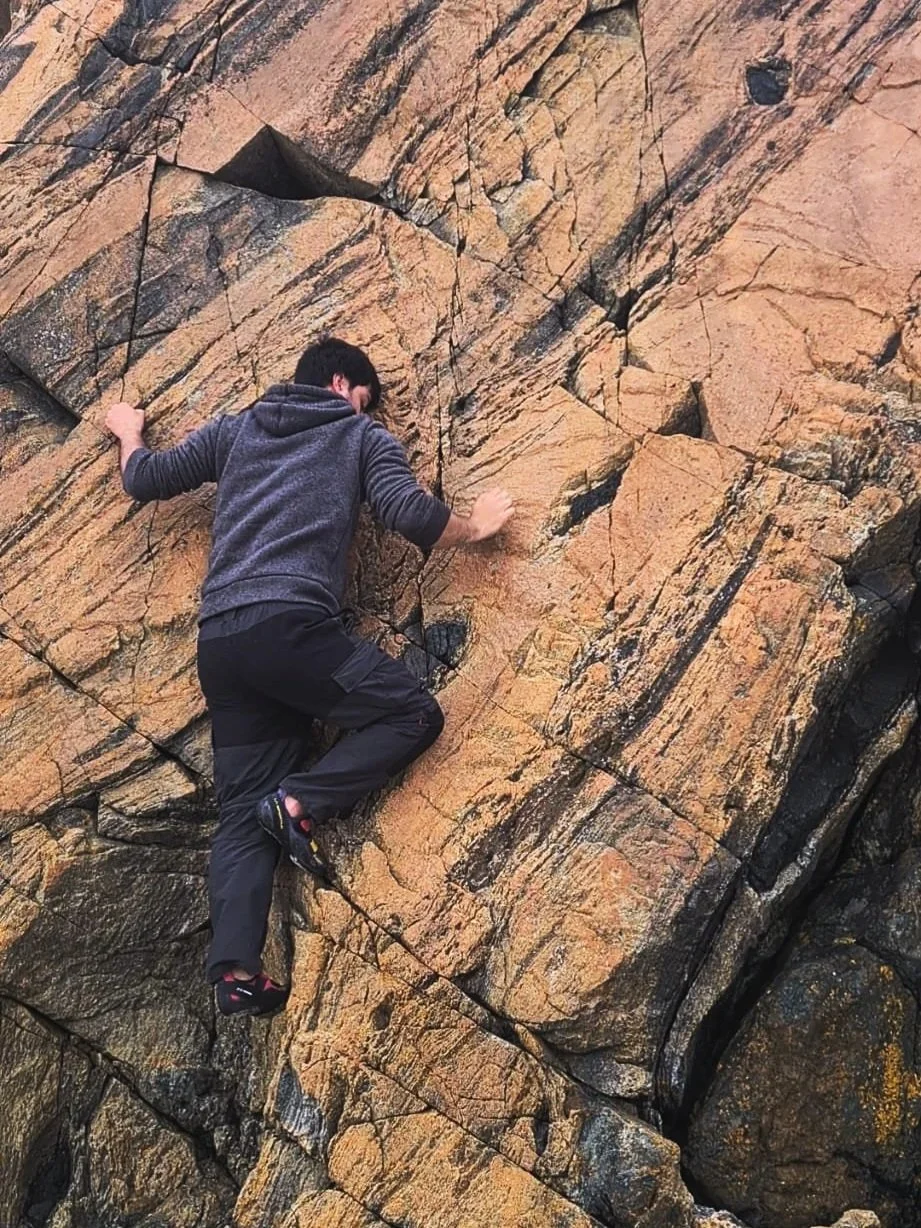
One of the reasons I love bouldering so much is because it makes failure feel normal incredibly quickly. Nobody expects to fly up every route first time. Falling is built into the process. In fact, if you never fall, you’re probably staying on routes you already know you can do.
There’s something deeply useful about that reminder.
Because so many professionals move through life believing they should already know exactly how to navigate every challenge without wobbling. They interpret uncertainty as weakness rather than evidence they are stretching beyond what’s familiar.
But both coaching and bouldering ask for the same thing: willingness to stay with discomfort long enough to learn from it.
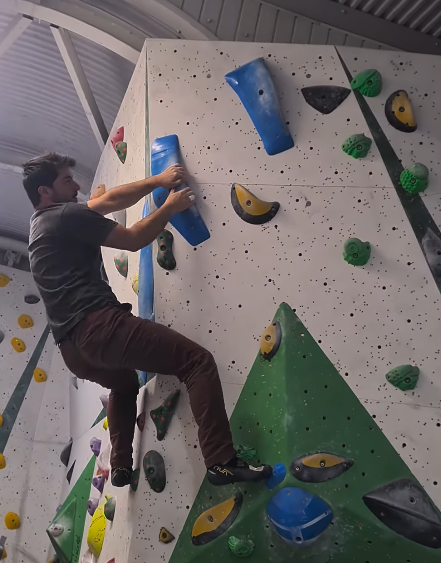
Perhaps most importantly, both remind us that progress is rarely one giant leap. More often, it’s a series of small adjustments that eventually make a move possible.
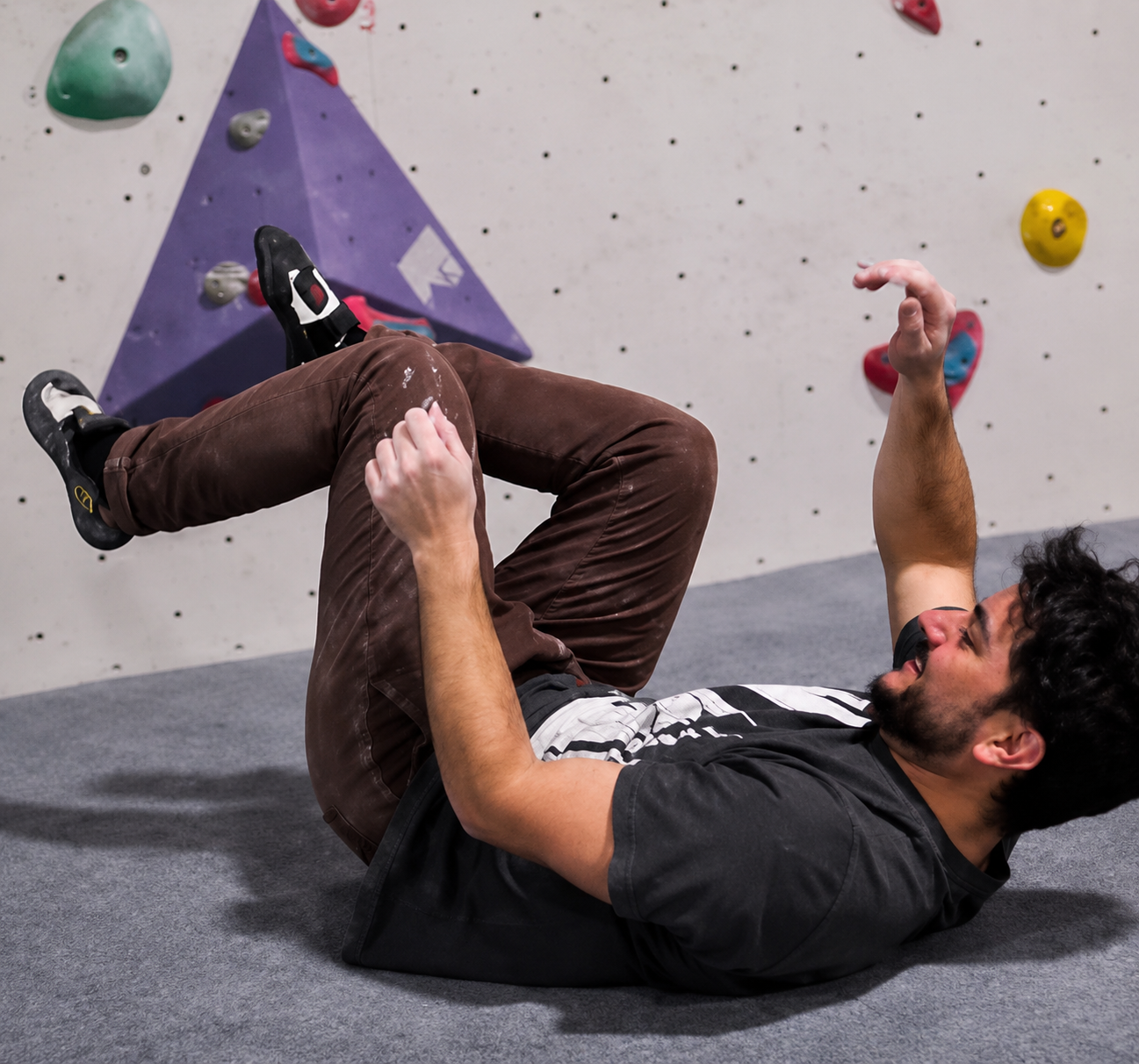
Oh - and learn to love the fall.
Chris
